The choice between a taper fade and skin fade can feel overwhelming at the time you sit in the barber’s chair. Tapers and fades are common cuts that many request at barbershops. Taper and fade styles remain some of the most requested cuts. Both options are stylish and versatile, but they create different looks. You need to understand the main differences between taper vs fade cuts to communicate what you want. I’ll break down everything you need to know about skin fade vs taper styles in this piece. This includes low taper fade variations and maintenance requirements. You’ll also learn how to choose the right taper haircut for your face shape and lifestyle.
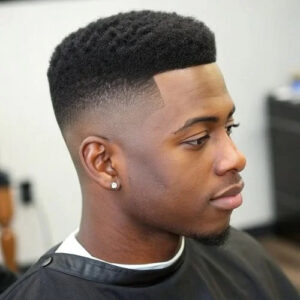
The taper fade slowly fades from longer hair on top to shorter sides and back. Barbers create a smooth blend with crisp lines for a clean, sharp finish.
What is a taper fade
A taper fade combines the subtlety of a taper with the definition of a fade, resulting in a hybrid haircut that delivers both polish and precision. The style starts with moderate length on top, usually between 1 and 3 inches, then shortens down the sides and back. The hair stays clipped close near the nape and sideburns rather than reaching bare scalp, unlike aggressive fade styles. Barbers describe this as keeping hair longer on top and tapering it down the sides and neck.
How a taper fade is different from other fades
The difference between a taper fade and other fade styles centers on where the cut ends. A regular fade cuts all the way down to skin and creates stark contrast between top and sides. The taper fade keeps more length at the hairline and temples. You get that softer blend without exposing scalp. Only the nape and sideburn areas get taken down close, making it less aggressive than full fade styles.
This subtle difference affects how the cut wears over time. The transition remains gradual throughout, so regrowth looks intentional rather than unkempt. You can stretch appointments up to four weeks between trims without worry. Some guys who aren’t particular about pristine edges can even wait up to 8 weeks.
The blending technique explained
Barbers use adjustable clippers with careful blending techniques to create that smooth transition from top to bottom. The process involves three or more guard sizes, depending on your hair’s thickness and the fade’s placement. Thinning scissors and clippers work together to eliminate uneven lines or rough spots and create sharp, neat results.
The entire cut usually takes 20 to 30 minutes. Tapering itself is a foundational barbering technique that changes hair from one length to another. The hair appears to disappear or “fade” as it reaches closer to the skin when done right. Tapering is so standard that most barbers will incorporate it even when you don’t request it.
Why taper fades remain popular
The taper fade has outlasted countless hair trends because of its remarkable adaptability. It transitions easily from conservative work settings to casual weekend hangouts with just a change in how you style the top. This versatility makes it suitable for both boardrooms and social outings.
The cut works with any hair type, including waves, curls and coils. Guys with thick hair especially benefit from the clean, subtle transition it provides. The style frames your features while maintaining that styled appearance without demanding constant upkeep.
Maintenance schedules favor busy lifestyles. Most guys revisit their barber every 2-4 weeks to keep the cut pristine. The shorter you go, the longer you can wait between appointments. The balanced regrowth pattern means your haircut looks intentional even as it grows out, making it ideal for anyone who prefers their style to remain polished between visits.
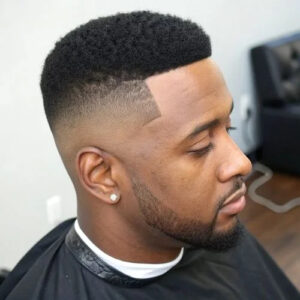
The skin fade is clean and sharp. Barbers slowly fade your hair to the skin on the sides and back. This makes a smooth blend with longer hair on top.
What is a skin fade
A skin fade blends your hair all the way down to bare skin and creates sharp contrast between the top and sides. Barbers use clippers, trimmers, and sometimes a foil shaver or straight razor to get the bottom section clean. The term “skin fade” tells your barber how short the fade goes, not where it starts. You can pair this cut with low, mid, or high placement depending on how bold you want the look.
Low skin fade
A low skin fade starts just above your ears and shows an inch or less of skin above the natural hairline. The fade drops down behind the ears and around the back of your head and keeps that inch of skin shown even all the way around. This placement keeps more hair on the sides compared to higher variations.
A low skin fade delivers that clean look without excessive boldness if you work in an office, go to school, or prefer your haircut not to dominate the room. It fades in slow and keeps more length on the sides. The style works especially when you have textured crops, crew cuts, side parts, or slick backs. You’ll still get that fresh neckline and tight blend without looking like you’re trying to win a haircut contest.
Mid skin fade
A mid skin fade starts around the middle part of your head, halfway between the top and your ears. The skin runs higher up on the head, starting from around the brow, then drops down behind the ears. This version strikes a balance by avoiding the starkness of a high fade while providing more presence than a low fade.
Most face shapes and hair types work with this placement. The fade adds a crisp edge that improves the overall haircut. Besides keeping the sides neat and tidy, it reduces the need for frequent trimming on the sides. You’ll notice the fade more than a low version, but it won’t be too in-your-face.
High skin fade
A high skin fade starts high up, close to the top of your head near the crown. The skin shows extensively, starting up around the top of the forehead at the front and almost reaching the crown at the back. This placement clears out the sides fast and leaves maximum contrast with the hair on top.
The cut delivers a bold, modern edge while keeping maintenance low. This does the job if you want something sharp and clean that pops. The fade runs evenly around the head without appearing to drop at the back.
Drop fade and burst fade variations
Drop fades and burst fades add extra style through their fade patterns. A drop fade drops below the ears and follows the natural shape of your head. The fade dips the gradient line behind the ear and creates a smooth contour that frames the head. Both low and mid skin fades can be drop fades, whereas a high skin fade is not since there’s no drop down towards the nape.
A burst fade cuts in a semicircle shape around the ear. The fade drops down behind the ear where it ends on the side of the neck, but it doesn’t continue along the nape like standard fades. The result creates a sunburst effect and flares out in a circular shape around the ear.
Most skin fades need a touch-up every 7 to 10 days to keep the skin section clean and the blend tight. Hair grows at different rates across your head, so the fade loses its crispness faster than cuts that don’t go down to skin.
Taper fade vs skin fade: key differences
The biggest difference between taper fade vs skin fade comes down to how short the cut goes at the bottom and the resulting contrast it creates. Skin fades blend all the way to bare skin and deliver sharper and more dramatic results. Taper fades maintain some length near the neckline and keep the look softer and more classic.
Visual contrast and sharpness
Taper fades create low to medium contrast with a natural appearance. The gradual reduction in length produces a refined, understated finish. Skin fades generate medium to high contrast with sharper, more modern lines. The dramatic blending technique creates a pronounced transition that emphasizes the top hairstyle.
A well-executed skin fade appears as if the hair dissolves into the scalp. Done poorly, it resembles a bowl of hair sitting on top of a shaved head. The contrast becomes visible immediately and makes the cut bold and eye-catching. Taper fades offer soft contrast that’s nowhere near as dramatic and pair with almost any hair type or length on top.
Length retention on the sides
Taper fades keep visible length at a guard 2 to 3. The hair gets shorter only around the sideburns and neck and maintains the head’s natural shape. No skin shows through at any point. Skin fades use a guard 0.5 to 1 or go to skin with minimal to no hair. The sides get cleared out much faster, especially with high variations.
Maintenance requirements
Taper fades need touch-ups every 3 to 4 weeks. Some clients stretch this to 4 to 5 weeks while still looking clean. The subtle gradation means regrowth stays less noticeable. Skin fades require maintenance every 1 to 2 weeks to keep the bottom clean. Mid fades last 2 to 3 weeks before losing crispness. Hair grows back within this timeframe, so the blurriness disappears faster.
Annual maintenance costs reflect this difference. Taper fades run 13 to 17 cuts per year, whereas skin fades need 26 to 52 visits. Match the cut to your calendar if you can only come in once a month.
Professional vs. contemporary look
Taper fades signal a classic, gentlemanly appearance. They work in every professional environment, from Wall Street boardrooms to Supreme Court chambers. The cut remains acceptable in any industry. Skin fades deliver a sharp, modern look. They suit creative fields and tech but might raise eyebrows in ultra-conservative workplaces. The style works best for guys who tolerate high maintenance and want maximum sharpness.
How to choose between taper fade and skin fade
Your face shape, hair characteristics, daily routine, and work environment determine which cut serves you best.
Matching to your face shape
Face shape plays a critical role in determining the most flattering haircut. Oval faces handle both styles equally since proportions stay balanced whatever the fade placement. Round faces benefit from mid or high skin fades that add vertical lines and create length. Low taper fades widen the jawline and make round faces appear rounder.
Square faces work with nearly any fade variation. A taper softens natural angles for a refined appearance. High skin fades emphasize strong jawlines for bold, athletic looks. Heart-shaped faces need careful thought. Taper fades keep proportions balanced, but high skin fades risk making foreheads appear wider. Diamond faces suit both options. Tapers soften prominent cheekbones and skin fades highlight the jawline.
Your hair texture and density
Hair density refers to how many hairs occupy each square inch of your scalp. Thick, coarse hair pairs well with skin fades. The clean contrast prevents sides from looking bushy. Fine or thinning hair responds better to taper fades. The softer gradient hides scalp show-through that skin fades expose. Curly or coily hair works with both styles, though mid and high skin fades showcase curl patterns on top most effectively.
Straight hair displays fade lines clearly and makes precision critical for skin fades. Wavy hair looks strong with mid to high skin fades since waves add dimension against clean sides. Men with lower hair density should focus on styles that highlight volume.
Your lifestyle and schedule
Match the cut to your calendar. Skin fades look freshest for roughly one week. Most clients return every two to three weeks to maintain sharpness. Taper fades stay clean for four to five weeks. Requesting a skin fade sets you up for disappointment after ten days if monthly visits represent your limit.
Workplace appropriateness
Tapers remain the safer pick for conservative workplaces. Finance, law, and client-facing roles favor this approach. Both styles can appear professional when executed correctly, but tapers read as more conservative. Skin fades thrive in fashion, entertainment, tech, and modern corporate environments. Traditional industries prefer taper haircuts for their timeless, polished appearance.
What to tell your barber
Clear communication prevents disappointing haircuts. Barbers will ask more questions to clarify what you mean since many variations exist.
Essential phrases for a taper fade
Say “I want a low taper fade, not a high or mid fade” to establish placement. Specify “Keep the fade low around the ears and neckline” and “Blend it, not too harsh”. Add “Leave length on top” when discussing length. Request “Textured on top” to get messy styling or “Short and clean” to achieve classic finishes.
Essential phrases for a skin fade
Use this template: “Can I get a [low/mid/high] skin fade, with a [scissor finish/blended/hard line] top, and leave about [2 inches/whatever length] on top?”. Consistent results come from being specific about fade height and top length. Mention guard numbers if comfortable: “Start with a 0 on the sides and blend up”.
Using photos as references
Bring 2 to 3 photos that show different angles rather than one single photo. Multiple angles help barbers explain how the style works and what changes might be needed. Choose photos of people with hair type and texture like yours. Pull up images on your phone if needed.
Common mistakes to avoid when communicating
Avoid asking for “just a fade” since that’s too vague. Phrases like “just a trim” or “not too short” mean different things to everyone. Specify actual measurements instead.
Both taper fades and skin fades deliver sharp results when you execute them the right way. Your choice depends on maintenance schedule and face shape. Skin fades create bold contrast but just need touch-ups every one to two weeks. Taper fades offer versatility with visits stretched to four weeks or longer. Communicate with your barber using specific placement details and reference photos. Whether you choose a taper’s sophistication or a skin fade’s sharpness, you’ll get the best results when your barber understands what you’re asking for. Pick the style that matches your lifestyle rather than chasing trends.
FAQs
Q1. How often do I need to visit the barber for each fade type? Taper fades typically require maintenance every 3 to 4 weeks, with some people stretching it to 5 weeks while still looking clean. Skin fades need more frequent touch-ups, usually every 1 to 2 weeks, to keep the bare skin section crisp and the blend tight. The dramatic contrast of a skin fade loses its sharpness faster as hair grows back.
Q2. Which fade works better for professional work environments? Taper fades are generally the safer choice for conservative workplaces like finance, law, and traditional corporate settings due to their classic, polished appearance. Skin fades work well in modern corporate environments, tech companies, creative fields, and fashion industries. Both can look professional when done correctly, but tapers are more universally accepted across all industries.
Q3. Can both fade styles work with curly or thick hair? Yes, both styles work with different hair types, but with varying results. Thick, coarse hair pairs exceptionally well with skin fades because the clean contrast prevents the sides from looking bushy. Curly or coily hair works with both options, though mid and high skin fades showcase curl patterns on top most effectively. Taper fades are particularly versatile and complement virtually any hair type.
Q4. What’s the main visual difference between these two cuts? The key difference is how short the cut goes at the bottom. Skin fades blend all the way down to bare skin, creating sharp, dramatic contrast and modern lines. Taper fades maintain some visible length near the neckline (usually a guard 2 to 3), never exposing skin, which creates a softer, more classic look with subtle gradation.
Q5. How should I communicate what I want to my barber? Be specific about fade placement (low, mid, or high), desired length on top, and blending style. For taper fades, say something like “I want a low taper fade, keep it natural around the ears and neckline.” For skin fades, specify “Can I get a [low/mid/high] skin fade with about [specific length] on top.” Bring 2 to 3 reference photos showing different angles of someone with similar hair texture to yours.
Contact Us (754) 200-8536 to Make An Appointment!
8917 W Oakland Park Blvd, Sunrise, FL 33351
—
 About Hand Skillz Barbershop
 About Hand Skillz Barbershop
At Hand Skillz Barbershop, we believe every cut tells a story and every client deserves to look their absolute best. Our skilled team of barbers brings years of experience and genuine passion to every service, whether you’re looking for a classic flattop, a precision fade, or a relaxing hot shave that leaves you feeling refreshed. We’ve built our reputation on attention to detail and staying current with the latest trends while honoring traditional barbering techniques. From the moment you walk through our doors, you’ll experience the difference that true craftsmanship makes. Walk-ins are welcome, but appointments are preferred because these chairs stay booked for a reason. At Hand Skillz, we’re not just cutting hair – we’re helping you put your best face forward.
> Learn More